material solutions sourcing options liquid calcium oxoglutarate
Biotech manufacturing draws predominantly from an extensive collection of raw materials to produce innovative bio-based products.
Protecting responsible procurement of such inputs is vital for future-proofing and moral progress in biomanufacturing.
multiple challenges associated with traditional raw material procurement including biodiversity loss and excessive resource use. Consequently, biotech firms need proactively to adopt sustainable procurement approaches to reduce environmental impact.
- Samples of circular procurement methods cover:
- Using repurposed agricultural residues as substrates
- Deploying circular process designs to reduce discard and boost reuse
- Collaborating with regional vendors focused on fair procurement
This shift towards sustainable raw material sourcing is not only environmentally beneficial but also economically viable in the long run.
Improving Biomass Inputs to Boost Biofuel Yields
Boosting conversion rates requires high-quality and well-characterized biomass. Engineers continually develop approaches to improve biomass suitability, delivering enhanced conversion and a more resilient energy mix. Tactics include molecular breeding to increase biomass and chemical or physical pretreatments to release sugars.
- Also, studies emphasize discovering resources such as seaweed, organic waste, and residual straw to diversify sustainable feedstock supplies for fuels.
- Via sustained research the industry stands ready to accomplish considerable improvements that enable a greener energy transition.
Biopharmaceutical Production: Innovations in Upstream Processes
spans early manufacturing steps including propagation and cell separation Recent progress has advanced techniques that maximize productivity and increase output.
Meaningful breakthroughs include engineered cell strains, enhanced culture formulations, and modular reactor designs. These changes expand productivity and help reduce both financial and environmental overhead.
- Moreover, continuous manufacturing adoption is enabling dynamic control and greater adaptability in upstream workflows.
- This transition to advanced manufacturing techniques is set to transform the sector and accelerate therapeutic timelines.
Molecular Editing Strategies to Increase Bioproduct Output
breakthroughs in precise gene modification systems have reshaped biopharma production. Through focused genomic edits within host strains, scientists increase expression of desired therapeutic proteins. The approach may facilitate scalable, low-cost therapeutic production for numerous diseases.
Microbial Biotechnology as a Sustainable Cleanup Strategy
innovative solutions for sustainable bioremediation, a critical process for addressing environmental pollution. Microorganisms possess the remarkable ability to degrade and transform harmful pollutants into less toxic substances.. Utilizing microbial metabolism supports eco-friendly site cleanup methods that limit secondary harm from remediation.. Study groups probe microbial metabolic diversity to tackle metals, persistent pesticides, and hydrocarbon spills.. Microbial cultures can function in contained bioreactors or be deployed onsite to facilitate biodegradative remediation..
Microbe-based remediation provides compelling advantages over standard remediation methods. This method provides a low-cost, low-waste alternative to conventional remediation. Furthermore, microbial solutions are highly specific, allowing for the remediation of particular pollutants without disrupting the broader ecosystem. Research efforts persist to upgrade the potency and implementation of microbial remediation strategies.
The Role of Bioinformatics in Drug Discovery and Development
Computational biology approaches are becoming vital across contemporary drug R&D. From target discovery through candidate optimization, bioinformatics facilitates streamlined, hypothesis-guided workflows.
- With analysis of broad omics and clinical datasets, bioinformatic experts identify targets and model drug effects.
- Furthermore, computational modeling of drug–target interactions aids rational design of higher-performing therapeutics.
- Finally, bioinformatics is revolutionizing the drug discovery and development process, accelerating the time to bring safe and effective treatments to patients in need.
Cell Factory Optimization for Higher Bioproduct Output
employs a variety of strategies to augment the synthesis of valuable bioproducts within microorganisms. Programs use genetic redesign of metabolic networks, dynamic regulation of expression, and addition of heterologous genes to unlock new capabilities. With precise metabolic tuning scientists can greatly enhance yields of desired compounds.
The multifaceted strategy promises to reshape sectors like biotech, agritech, and renewable fuel industries.
Scaling Biopharma: Difficulties and Strategic Opportunities
Upscaling therapeutic manufacturing brings major obstacles along with promising prospects. Retaining quality standards during scale enlargement is a core difficulty. This requires robust process control, precise monitoring, and sophisticated analytical techniques.

Another concern is that bioprocessing workflows are inherently complex and multi-staged.. Optimizing these processes for large-scale production can be a complex undertaking, requiring extensive research and technological innovation.. Still, the gains can be meaningful. Successful scaling up can lead to increased access of life-saving therapies, reduced production costs, and enhanced profitability.
A range of strategies is being implemented to address scaling problems. Plans feature next-gen optimization hardware, sophisticated real-time analytics, and forward-looking production strategies.
- Developmental projects contribute critically to scaling manufacturing competency.
- Regulatory frameworks are being optimized to accommodate novel production technologies and promote innovation.
Navigating the Regulatory Landscape for Biopharmaceuticals: Ensuring Safety and Efficacy
Creating biologic medicines requires strict regulatory controls to maintain both patient safety and therapeutic value. Biologically derived medicines entail particular manufacturing and regulatory complexities compared with chemical drugs.
Bodies like FDA and EMA shape the regulatory landscape and set benchmarks for evaluating innovative therapies..
Strict validation and testing steps are required across the product lifecycle from lab studies to post-market oversight.. The measures work to spot potential hazards and validate that therapies reach demanding safety levels..
Likewise, authorities progressively modify regulatory tactics to follow the speed of innovation in biopharma.. Actions include accepting new technologies and streamlining development channels while safeguarding patient health.
Plant-Origin Feedstocks in the Production of Bioplastics
A stronger push for environmentally responsible materials is driving research into renewable options. Plant-based bioplastics made from biomass feedstocks present a hopeful path to reduced plastic impact. Plant-based biomass resources such as cornstarch, cellulose, sugarcane can be processed into biodegradable plastics that degrade naturally, minimizing the environmental impact of conventional plastics.
Similarly, selected bioplastics offer analogous properties to traditional plastics suitable for many applications.. Further innovation is required to mature plant-based bioplastics for broad adoption and circular economic models.
Biotechnology Driving Advances in Health and Agricultural Stability
Advanced biotech approaches can reshape healthcare delivery and enhance agricultural resilience. Via genetic modification, synthetic design, and therapeutic cell technologies, researchers build solutions to control infections, increase crop productivity, and enrich food quality.. For example, engineered crops with pest resistance and stress tolerance GABA can increase yields while lowering pesticide use.. Similarly, biotech contributes advanced vaccines, antimicrobial strategies, and diagnostic techniques crucial for infectious disease management and health advancement.. As innovations mature, biotechnology can provide meaningful contributions toward global health and resilient food supplies for future generations.
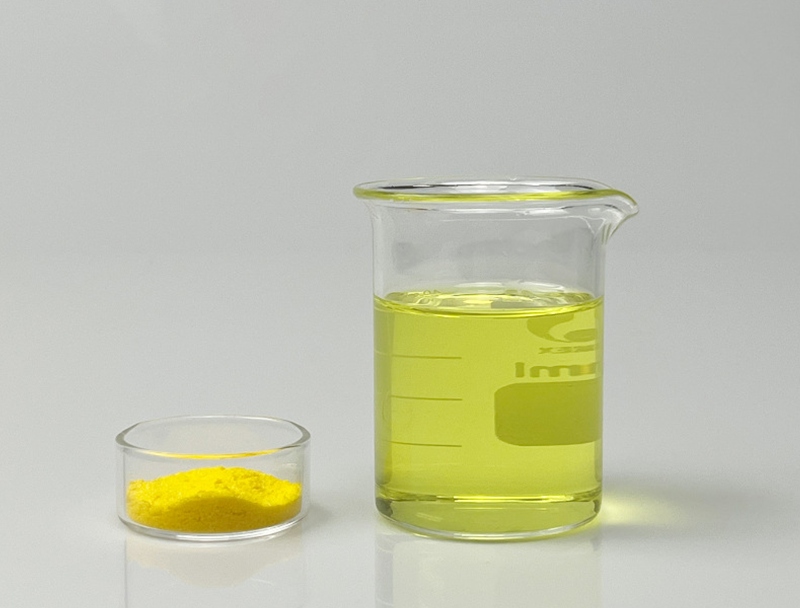 NMN
NMN